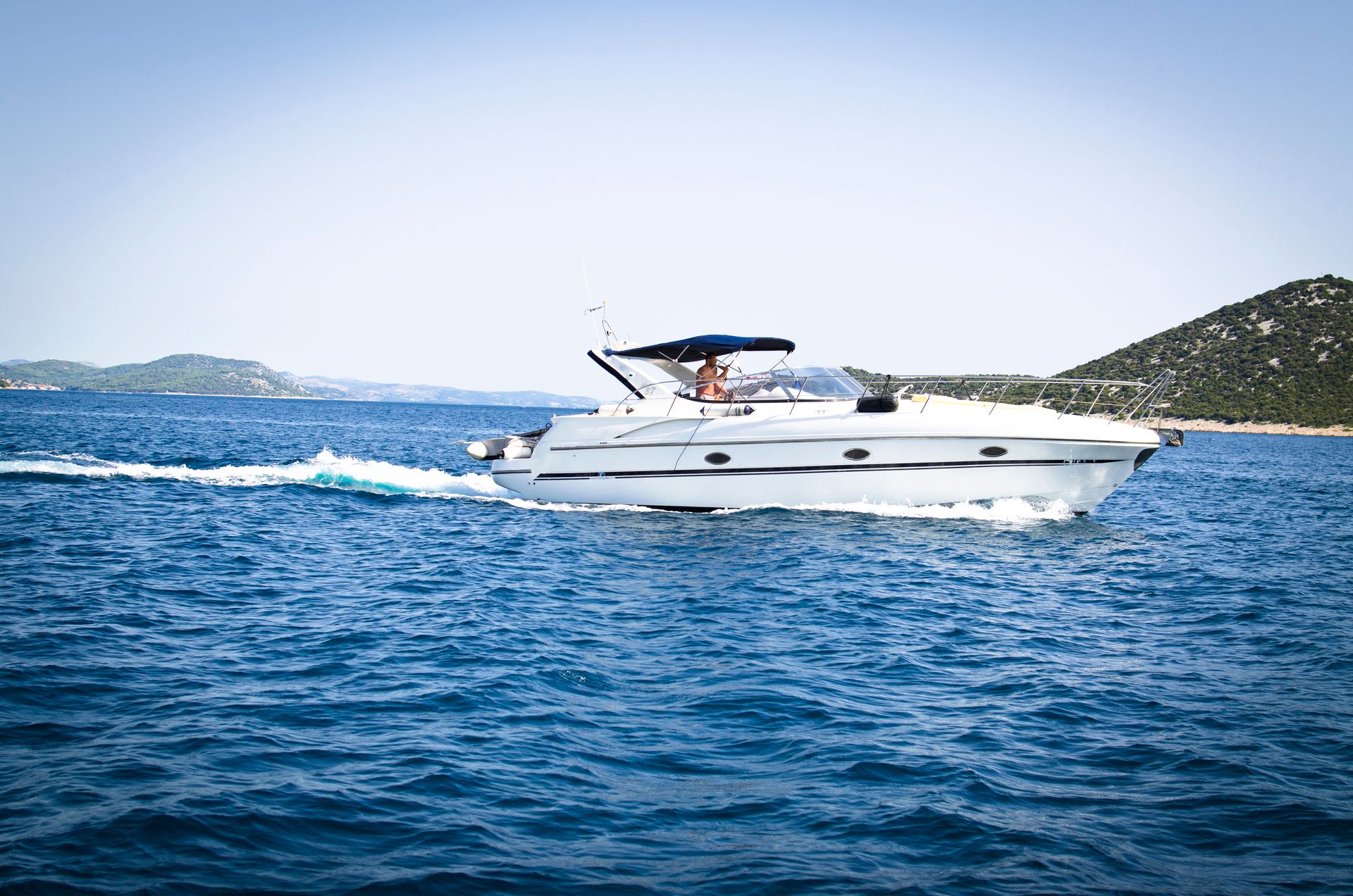
Self-healing, long-lasting surface defense against salt, surf, sun, scratches and oxidation.
Protect your watercraft
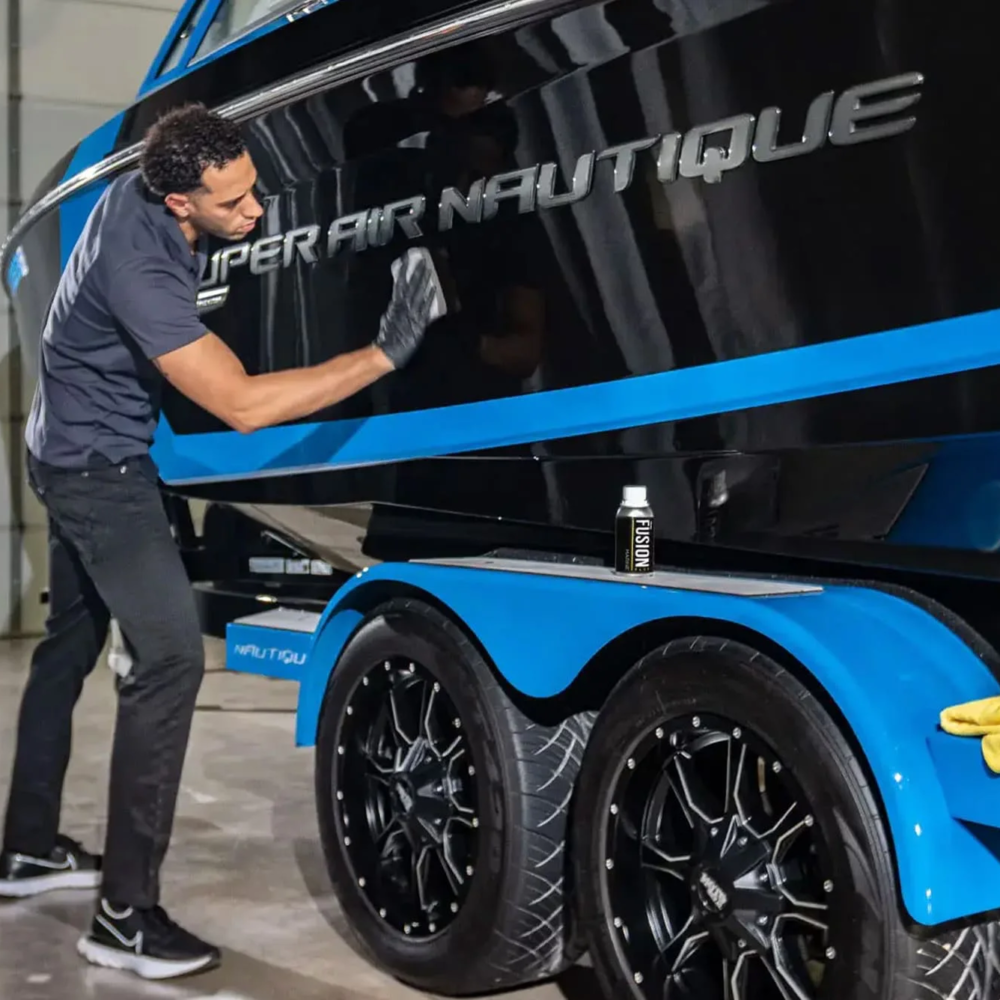
Outfit your boat with the ultimate rigging against salt, surf and sun. Marine Protection Film is the tough, self-healing first mate you need to fend off scratches, oxidation and relentless UV rays.
Explore marine protection film
Whether in salt or fresh water, this surface protection helps your vessel retain its finish while making regular upkeep easier.
Made for marine
- Shields gel coat from UV rays, saltwater, bird droppings, fading, oxidation and staining
- Self-healing film helps prevent minor abrasions from docks, debris and impacts
- Glossy finish keeps the boat looking newer for longer
- Helps maintain resale value by avoiding costly repairs and refinishing
Frequently asked questions
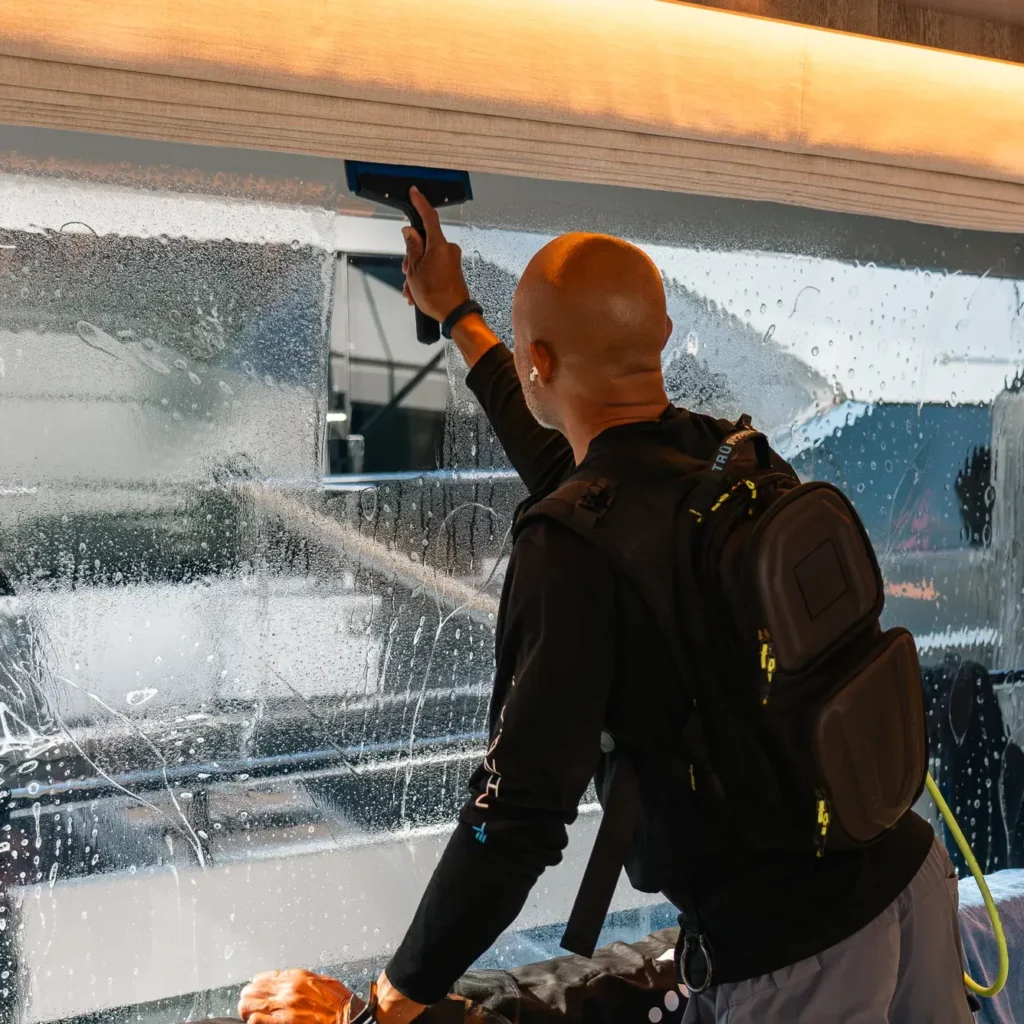
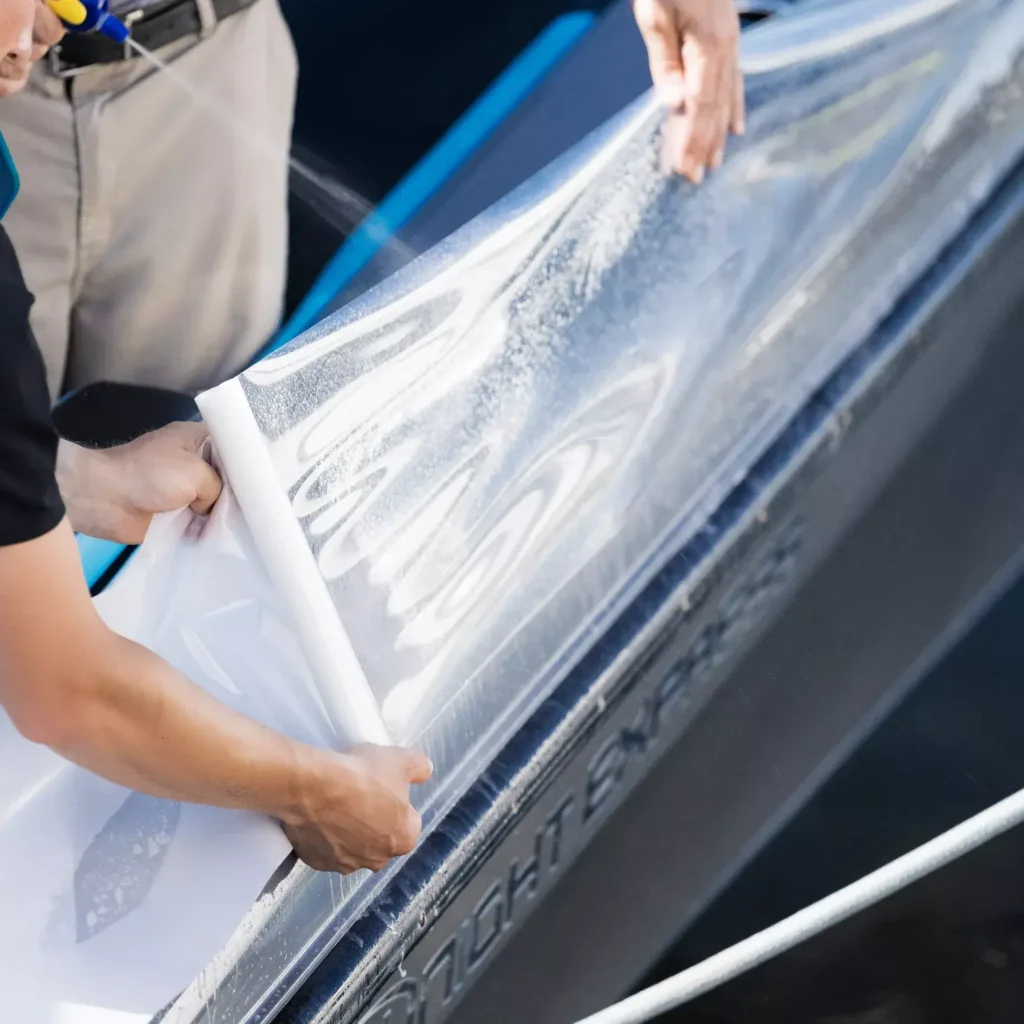
Marine Protection Film can be applied to hull sides, engine cowlings and frequently touched surfaces such as tables. It is a durable transparent polyurethane designed for marine conditions.
The film can last up to three years depending on exposure and care. It may conceal small swirls, while warm water or heat can help its self-healing surface recover from minor marks. A professional should assess deeper scratches.
Target the areas that see regular contact
Use the way you board, load and handle the vessel to guide the conversation. Identify the places where repeated contact is a concern and photograph the current finish. A targeted plan can be easier to evaluate than a broad request to protect the entire boat.
Ask the studio to confirm suitability for each proposed surface. Panel shape, existing damage and transitions around fittings may influence the installation. Review where the film begins and ends so the coverage is clear before work is scheduled.
Understand the condition beneath the film
Film does not restore a worn finish by itself. Oxidation, failed paint or prior repairs should be discussed as preparation issues. Agree on what needs attention first and how the finished surface will be evaluated before installation.
Define targeted protection before installation
Walk through the areas where equipment, footwear or regular handling creates concern. Explain the kind of contact involved and mark the boundaries you have in mind. The studio can then discuss whether the proposed film and coverage suit those specific surfaces.
Visible transitions matter on a vessel just as they do on a vehicle. Ask where film edges will sit around curves, fittings and changes in material. If the finish underneath needs attention, agree on that preparation before the film installation is scheduled.
Create a record of the treated areas for future care. Anyone cleaning the vessel should know where the film is and which instructions apply. If a section is damaged, arrange an assessment of that area rather than assuming it can be repaired with the same products used on the surrounding finish.
- Mark the proposed coverage on vessel photos
- Describe repeated contact in each area
- Confirm the product is suitable for the intended surface
- Review edges around fittings and material changes
- Agree on preparation of the underlying finish
- Record treated areas for maintenance and later inspection
Choose coverage around real use
Decide whether your priority is selected high-contact areas or broader surface coverage. Walk through the proposed panel list, finish and edge treatment with the studio. Existing chips or paint defects should be discussed before installation so expectations are clear.
- Compare targeted coverage with a more complete package
- Identify vulnerable edges and contact areas
- Confirm gloss or satin finish preferences
- Ask about the selected film warranty and care requirements
From first conversation to aftercare
Start with a short conversation about your goals and the condition of the vehicle, vessel or space. Confirm the proposed preparation, product, coverage and timing in your quote. Before handover, ask for the care guidance specific to the treatment you choose.
- Share photos and project details
- Review the proposed scope and finish
- Confirm care and follow-up questions
Questions before you book
Can marine film go on any part of the vessel?
Suitability is specific to the product, surface and exposure. Ask the studio to identify the approved areas in your proposal. Do not assume film intended for one area is appropriate below the waterline or on every material.
What information helps define coverage?
Send wider photos of the vessel and close-ups of the areas you want protected. Include the surface type, existing treatments, access arrangements and the kind of contact or wear you want to address.
Compare your options
Explore the services that may fit alongside this project.
Ready to talk through your project?
Share your priorities with our Delray Beach team. We can discuss the preparation, scope and next steps that fit your project.
Request a quote